A damaged fence or a gate that won’t latch properly is one of the most common calls we get, and it’s usually more fixable than homeowners expect. Before assuming a full section needs replacing, it helps to understand what actually causes most fence and gate problems in this area and what the repair process typically looks like.
Common Causes of Fence Damage in This Climate
Wind is the biggest culprit for fence damage around Reno and Verdi – gusts off the Sierra foothills loosen posts, crack panels, and strain hardware over time. Add in freeze-thaw cycles that shift soil around post bases, and it’s easy to see why fences here need more frequent attention than in milder climates. Our fence maintenance guide for harsh Nevada weather covers the seasonal upkeep that helps prevent damage before it starts.
Why Gates Fail More Often Than Fence Panels
Gates take more mechanical stress than any other part of a fence – daily opening and closing, hinge wear, and ground shifting that throws off alignment. A gate that sagged or stopped latching properly usually isn’t a sign the whole structure is failing; it’s often a hinge, post, or hardware issue that can be corrected without replacing anything. If you’re dealing with recurring gate problems, especially heading into winter, our guide on choosing durable gates for Verdi winters explains what design choices hold up better long-term.
Repair vs. Replace: How to Tell
Not every damaged section needs full replacement. Localized damage – a cracked panel, a leaning post, a bent gate frame – can usually be repaired in place. Widespread rot, repeated post failures across a fence line, or storm damage affecting multiple sections at once is where replacement starts to make more financial sense than ongoing repairs. If you’re unsure which category your situation falls into, our Verdi fence installation cost breakdown is a useful reference for comparing repair costs against a full reinstall.
Material-Specific Repair Considerations
Different materials fail differently, and the repair approach depends on what you’re working with. Wood repairs typically involve replacing individual rotted boards or posts rather than full sections, provided the surrounding wood is still sound. Vinyl repairs are usually simpler mechanically but require matching panel color and style, since vinyl doesn’t age or weather at the same rate as when it was first installed – something to keep in mind if your original vinyl fencing is more than a few years old. Chain link and metal fencing tend to hold up structurally longer but can develop rust or bent sections after impact damage.
What a Repair Visit Typically Involves
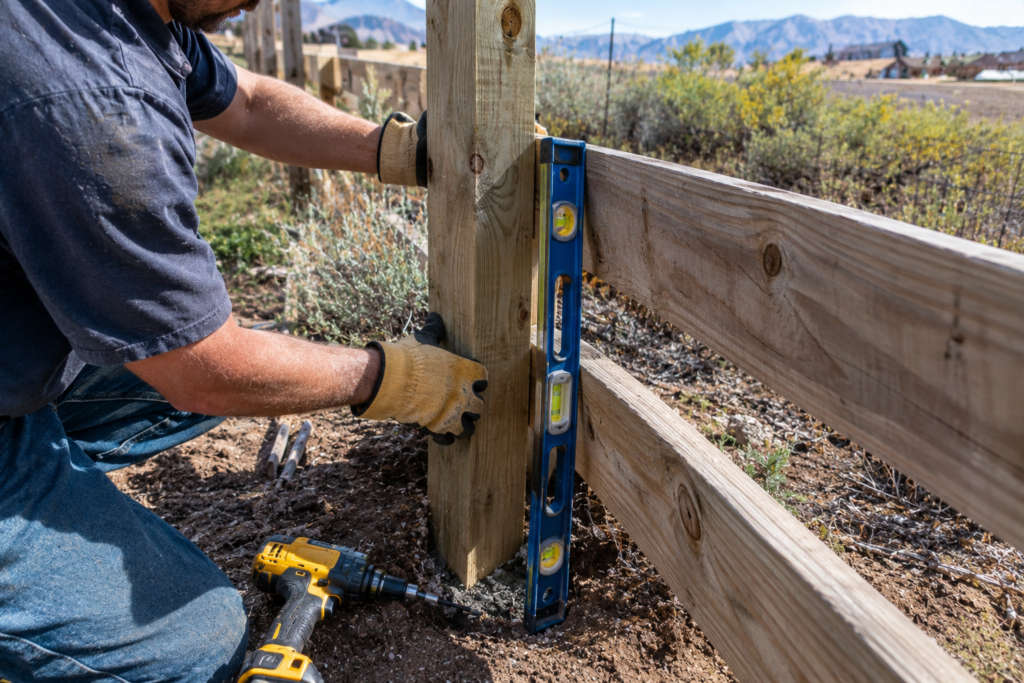
A repair visit usually starts with assessing the extent of the damage – checking whether posts are still solidly set, whether the issue is isolated or symptomatic of a wider problem, and whether hardware needs replacing along with visible damage. From there, most straightforward repairs – post resets, panel replacement, hinge and latch fixes – can be completed in a single visit, while more extensive damage may need a follow-up for materials.
Avoiding Repeat Repairs
A repair that doesn’t address the underlying cause tends to fail again within a season or two. If wind keeps loosening the same section, or the same gate keeps sagging, it’s usually worth looking at whether the original installation accounted for local conditions in the first place – this is a common issue we cover in our post on common fence installation mistakes Verdi homeowners run into.
If you’re dealing with a damaged fence or a gate that’s stopped working properly, call us to have it assessed – most repairs are more straightforward than they look.
Leave a Reply